
Supi
Industrial AI & Digital Twins

Predict failures before they cost you millions.

Supi ties into your SCADA, historians, and ERP, then runs twin-backed models on the equipment that actually moves your numbers — so reliability and ops get a short list of what to fix first.

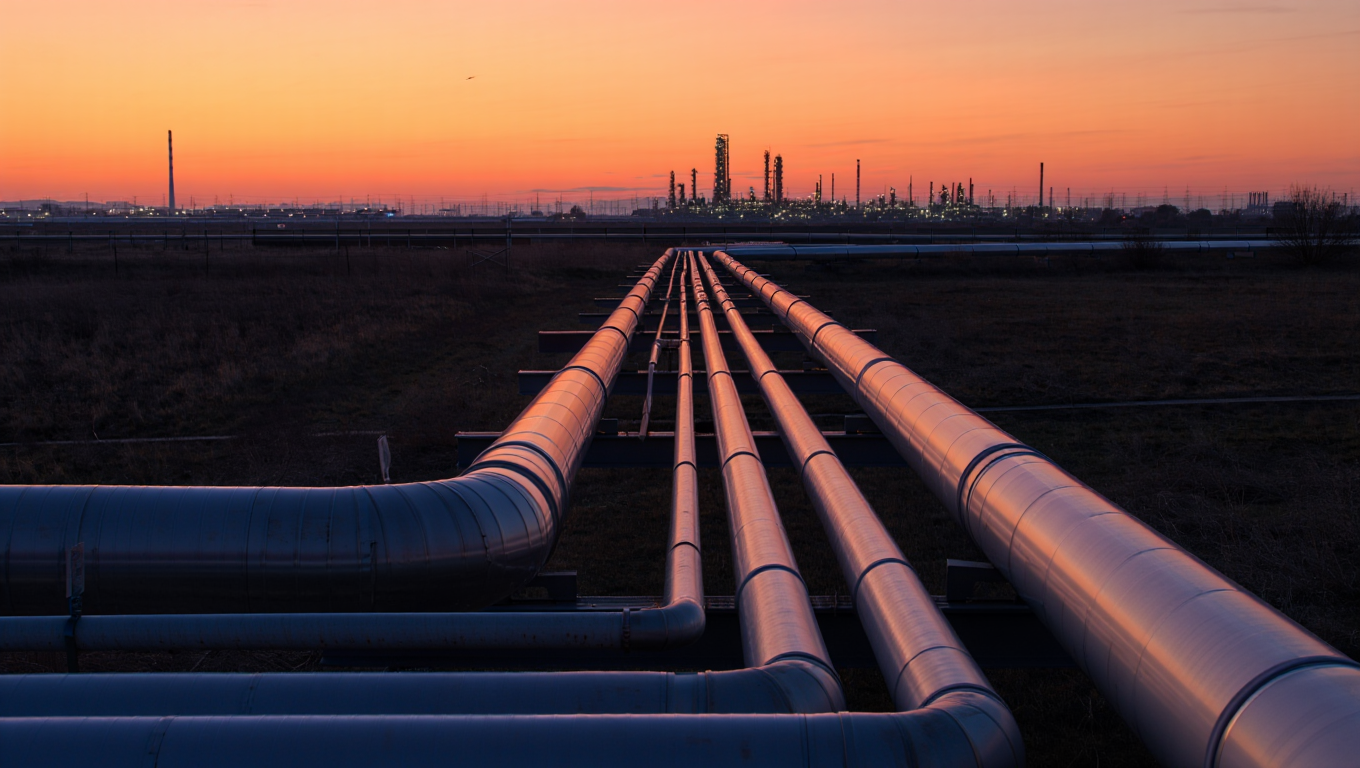
Industrial pipeline infrastructure at dusk
Managing €4B+ in industrial assets
Monitoring €30M in daily production
GDPR-compliant
Petrochemical refinery and process units
What we hear on site

You already know the problem.

Stops are expensive. Most stacks still leave people guessing which alarm matters.

Something trips at two in the morning. Production is down before anyone has a coherent story. By the time you know why, the cost is already on the books.

Screens fill with trends nobody owns. Work orders follow a calendar while the risky asset keeps running. The last “AI” initiative ended with a folder of charts and no owner.

The gap isn't data volume. It's a clear read on what will break next — and what to do before it does.
How we work

Built for the control room, not the conference room.

Supi is meant to sit next to your existing stack: connect, model, alert, and hand humans a decision they can defend.

  • Ingest from SCADA, historians, MQTT, and ERP — without replacing what already runs.

  • Build twins that respect physics: limits, ramps, and failure modes your engineers recognise.

  • Surface a short ranked queue: what is drifting, how soon it matters, and suggested next steps.

  • Ship to production in weeks with MLOps that keeps models current as conditions change.

Oil and gas production facility at twilight
Product

Three loops your teams already run — wired to the same twin.

Maintenance, reliability, and process engineering see the same underlying state. Less reconciling spreadsheets, more agreeing on the next move.

Offshore oil rig at dusk

Predictive maintenance

Rank work by failure risk instead of the calendar. Spend the maintenance budget where the data says it hurts.

Chemical plant with storage and processing infrastructure

Anomaly detection

Spot off-nominal vibration, temperature, and pressure while the shift is still on shift — not after the log file lands.

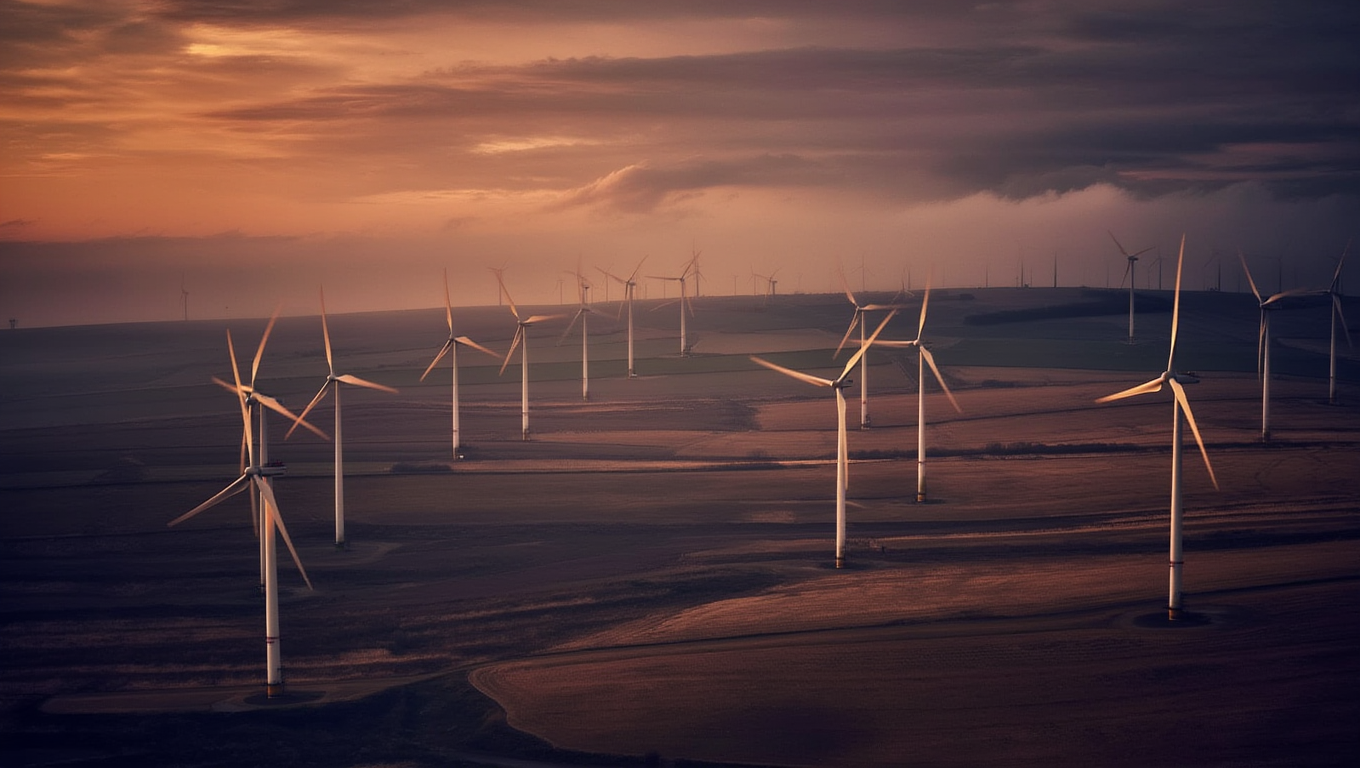
Wind turbines on rolling terrain

Process optimization

Tune setpoints inside safe envelopes to squeeze yield and energy without fighting compliance.

Outcomes

Figures we can stand behind in a steering meeting.

Ranges depend on asset mix and how mature your historian is — we sanity-check numbers on your data before anyone promises a headline.
25–40%

Typical band we see for maintenance spend and unplanned downtime once models are in production.

30%

Directional improvement in batch quality and variability where pharma and chemical teams measure every run.

Weeks

From signed data access to models your operators can argue with — not a multi-year science project.

Sectors

Where we spend most of our time.

Same core platform; playbooks differ by regulation, asset class, and how conservative your safety case needs to be.

Industrial pipeline infrastructure at dusk

Oil & gas

Pipelines, rotating equipment, and terminals: fatigue, leakage risk, and windows you can plan instead of firefight.

Chemical plant with storage and processing infrastructure

Pharma & chemicals

Batch records, clean utilities, and reaction profiles: catch drift before it becomes a deviation report.

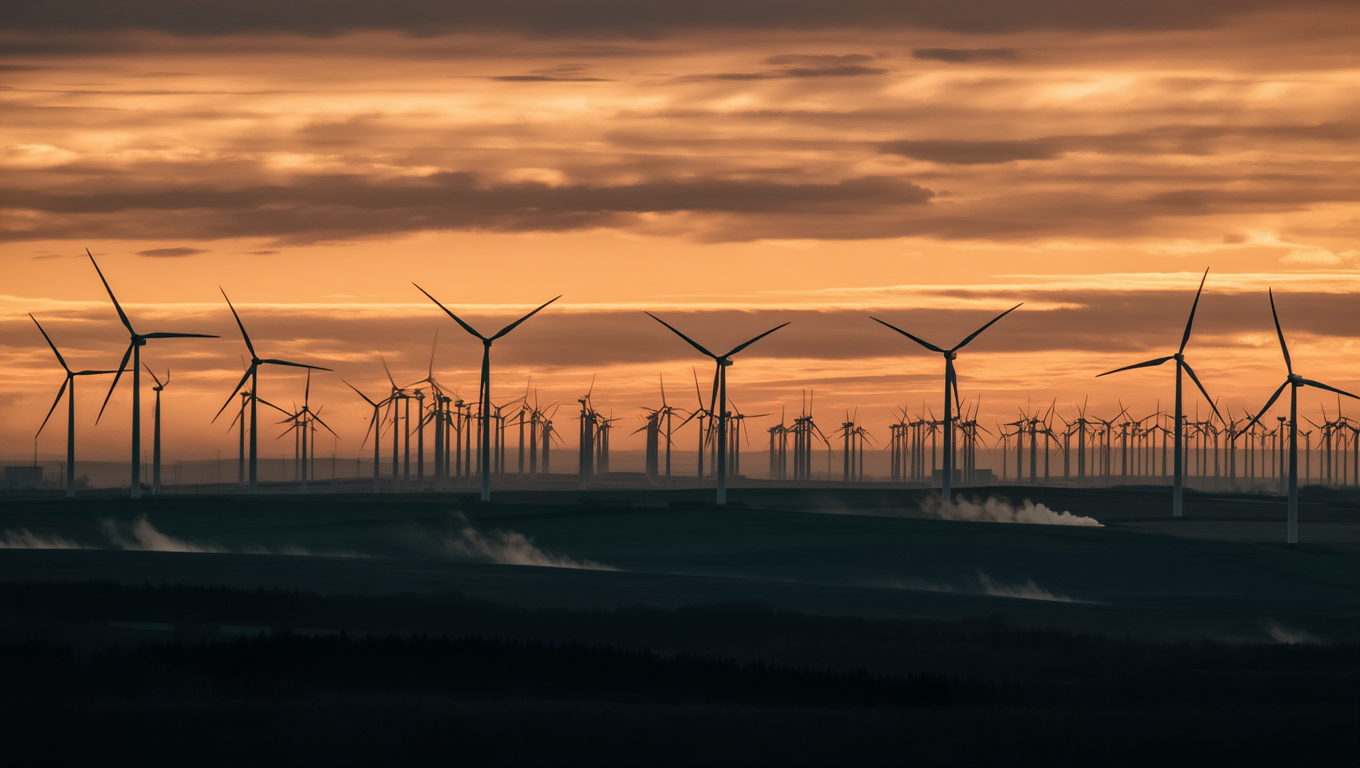
Wind farm at sunset

Power & wind

Thermal and renewable fleets: balance production, fatigue, and grid constraints with one model layer.

FAQ

Questions we get before a PO hits the system.

Security, legacy kit, and whether this is another pilot-shaped object — answered bluntly.

Research

We still argue with academics — on purpose.

Industrial data is messy. Keeping a foot in applied research helps us separate what works in a paper from what survives a night shift.

Leibniz University
IUTA (Institute for Energy and Environmental Technology)
University of Leicester

Walk through it on your assets — not ours.

Thirty minutes: data you already have, where a twin would sit, and what “good” looks like in the first ninety days.

Hi, here is Max!

Your AI assistant — tap the spark icon to chat anytime.